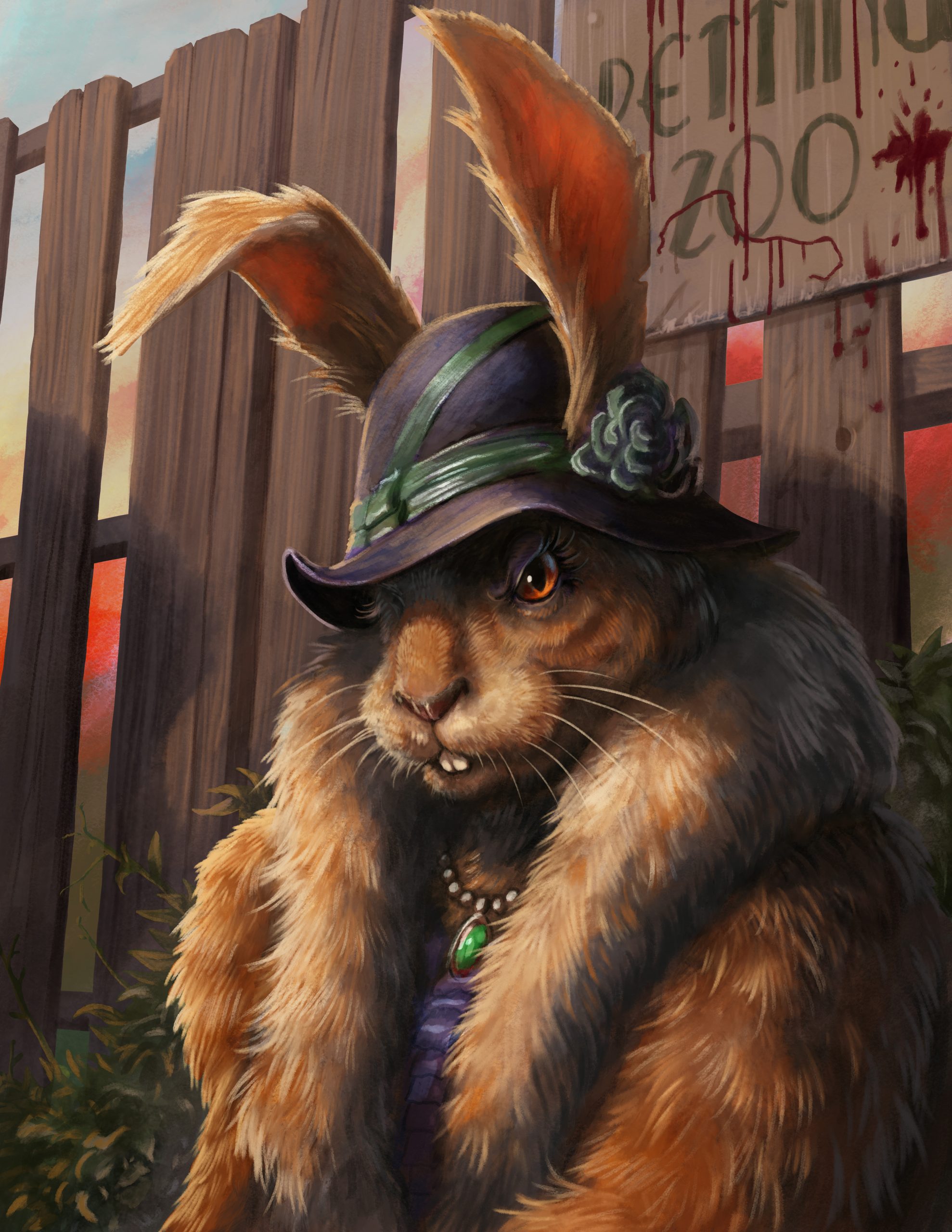


D&D 5E Spelljammer Makes the Most of Monsters
It’s been a few weeks since the last trip into the wildspace of Spelljammer for D&D 5E. My home game dabbled in a few one-shots and welcomed a new, first time Dungeon Master. Origins came and went, and several Nerdarchy projects kept me from sharing more insights into the exploits of a fifth edition Dungeons & Dragons Spelljammer campaign.
Then I saw this tweet from Mike Mearls the other day.
I know patience is difficult, but we really are looking at ways to bring all the settings back. Even Spelljammer! #WOTCstaff https://t.co/eKu48e5RjF
— Mike Mearls (@mikemearls) July 3, 2017
And the enthusiastic replies.
And a long list of other Spelljammer fans sharing affection for the setting.
And fan groups on Facebook, Google+ and more.
We’re out there, Wizards of the Coast! While I can’t speak for all of us, it’s encouraging to know the folks behind the game we love include all of our favorite aspects from its rich history in their grand vision. In time, I’m confident we’ll get our Dark Sun, Al-Qadim, Dragonlance and Eberron fixes in official capacities.


Out of the Box D&D Encounters, Series 2, #8 – Road Crew
[amazon_link asins=’0786966017,B06ZYQD1RZ,B000PNPBY2′ template=’ProductCarousel’ store=’nerdarchy-20′ marketplace=’US’ link_id=’914d4749-6488-11e7-b661-e3bc8380a7ff’]
 Societies all over the world have their own way of doing things. Regardless where you are from, I bet you’d be surprised how cultures on the other side of the world did some of the most common things. The way we make a meal, prepare a home, treat the loss of a loved one, or manufacture materials or products might be done in a completely different way in a far-flung culture. This objective truth should also apply to the realms within fantasy. Volo’s Guide to Monsters goes into some of these cultural aspects, and this is just the tip of the iceberg.


D&Dized Spider-Man build for D&D 5E

Spider-Man in Columbia Pictures’ “Spider-Man: Homecoming.” [Photo courtesy of Columbia Pictures]
But all that aside, what I’ve really been thinking about all day is a character build to represent Spider-Man in fifth edition Dungeons & Dragons. The Nerdarchy YouTube channel has a long history of D&Dizing fictional characters and objects, and it sounded fun to take a shot at this iconic, beloved Marvel Comics character. My previous crack at D&Dizing something – the Sword of Omens from Thundercats – was tons of fun to work on.

Out of the Box D&D Encounters, Series 2, #7 – Feeding Time
 Many entries in both the Monster Manual and Volo’s Guide to Monsters indicate one or more monsters have some sort of relationship with each other. What I’d like to present here is one between a Monster Manual entry (Bullywug) and Volo’s (Froghemoth).

Tomb of Annihilation Dares D&D Adventurers to Defy Death
In case you missed it, the fifth edition Dungeons & Dragons Adventurers League shared a preview of its Season 7 adventures that tie in to the upcoming Tomb of Annihilation storyline from Wizards of the Coast. Set for early release through Wizards Play Network stores...

Improv is Critical in RPG Storytelling

Improvisational theatre in progress. [Image by Aude Vanlathem/www.audevan.com]
This process repeats for two to four hours, or until there’s a good stopping point. Even Game Masters who prefer a more structured style are going to improvise more dialogue than they’ll use their actual prepared material.
This does not even include all the improv for the inevitable unplanned encounters, or how the GM has to improvise describing the outcomes of rolls – especially in combat. Technically you can just say what you’re going to do and exchange numbers across the table to determine success, and not describe what’s being said or done, but what would be the fun in that?


RPGS: To Roll Dice, Or Not To Roll Dice, That Is The Question
Several schools of thought exist when it comes to RPGs and the rolling of the funny-shaped dice we all love. Whether ’tis nobler at the gaming table to roll the d10s and d20s of outrageous fortune, or to roleplay against a sea of troubles, and by narrating end them.
In the ArmorClass10.com-sponsored video above, Nerdarchists Dave and Ted and Nate the Nerdarch reminisce on memorable dice rolls in their gaming experience, different ways to interpret roll outcomes and how a hot roll of the dice can have a big impact on the story.

Out of the Box D&D Encounters, Series 2, #6 – Lonely Boat

A Mimic doesn’t have to appear like the traditional treasure chest.
Out of the Box hasn’t featured an aquatic encounter in a long time, so I think we’re overdue. I’m not sure how many followers and players will remember this simple rule of physics, but the material of an item (its density) is less important than its shape and volume (based on displacement). If an object is the right shape as to spread out its volume to account for its density, so long as it’s water resistant or water proof, it should float. That’s why boats made of steel float.
Therefore, if we take a creature out of its element (Mimic) and put it in a place where it’s adapted to fit something (a boat and not a chest), we have a creature in a place we’d never expect to find it. This is less of a classic re-skin and more of an adaptation, which occurs in nature all of the time.

Web DM Talking D&D and RPG Gaming (What Else?!)

Nerdarchist Dave made a pact with patron of the internet and welcomed Jim Davis and Jonathan Pruitt from Web DM to the Nerdarchy live chat. Braving the possibly haunted wing of the hospital where he works, Pruitt joined his friend and co-host Davis to talk nerdy about D&D.
As content creators, Pruitt and Davis got started by seeking to fulfill a need they felt was missing. They dive into the history of Web DM, what inspired them to create their YouTube channel and how it all came together. The Web DM guys and Nerdachist Dave connected over their mutual astonishment when they learned there was an internet audience hungry for D&D discussion.


30 Fantasy Gaming Flash Encounter Ideas
Sometimes games don’t flow like we expected them to. You planned to take three hours, and your players get through most of the quest in one. Not everything that happens at the Dungeons & Dragons table has to be part of some epic happenstance, however. Sometimes, small things stand on their own and aren’t at all part of the bigger picture. We as Dungeon Masters need them because it helps us control the pacing of the game.
So here are 30 quick and simple small scenarios you can throw at your players in a flash when things are a little bit slow or you think you’re going to run out of game before you run out of game time.


Passive Stealth and Other D&D skills – Making A Case
Not that long ago I moved back home to Salem (Oregon, not Massachusetts) from San Antonio (also not in Massachusetts). The other day I went to Dairy Queen, which I’ve been going to frequently, because for whatever reason Texans hate cherries, and I’m kinda making up for 15 years of not having my favorite treat, their cherry dip cone. After I approached the counter, I patiently waited for a cashier to notice me. Eventually one of them turned around, slightly startled at just seeing me there, without noticing me at all. The funny thing about that is, as I’ve become accustomed to, and what feels like a San Antonio tradition, I was wearing flip-flops. By all measures I shouldn’t be sneaking up on anyone, but apparently I have just a soft enough step and an unassuming presence that I can shift about unnoticed.

RPG Player Tip: Great Stories Don’t Need Great People
Getting back on the regular track this week after Origins 2017 – con fatigue is a thing that is real, folks – there were two RPG player experiences I’ve had recently that taught me a valuable lesson. One is from the time-stamped video above that happened during Nerdarchy’s Open Legend RPG-sponsored live game Fridays at noon EST. The other is from my home group’s fifth edition Dungeons & Dragons game. Both situations illustrated a poignant paradigm. As you’ve undoubtedly guessed from this article’s title, the lesson is that great stories emerge from less-than-great people.
Great examples of not so great people in RPG campaigns who drive the narrative forward and create great stories are everywhere. Critical Role’s Vox Machina will be the first to admit they’re often terrible people. Dice, Camera, Action’s Waffle Crew barely get along. Acquisitions Inc.’s The C Team aren’t exactly shining examples of heroism. And Titansgrave’s cast of adventurers were built from the beginning with inherent flaws. Yet all of them tell compelling RPG stories full of action, excitement, humor and drama driven by characters who are far from perfect. I’m sure anyone’s home game has plenty of examples, too.

D&D Adventurers League Community Manager in the house
Nerdarchist Dave and Assistant Web Editor Doug, coming off of Origins Game Fair, welcomed D&D Adventurers League Community Manager Robert Adducci for a live chat. The Nerdarchy team at Origins met Adducci and many other great people there, and were happy to have him join us to talk nerdy for an afternoon.
 Adventurers League is the fifth edition Dungeons & Dragons organized play program. It offers a way for people to get involved in a larger campaign and community. Previously limited to in-store play, the program has widened to include conventions and even home games – as long as the DM abides by Adventurers League rules.
These rules are essentially the standard D&D rules. There are a few elements specific to Adventurers League play designed to maintain a consistent experience across the board. That way, Adventurers League players know what to expect no matter where they take their characters and log sheets for Adventurers League games.

D&D Adventure Awaits with Tomb of Annihilation and More
Along with announcing the next storyline in the fifth edition Dungeons & Dragons family at June’s “Stream of Annihilation” live stream event, Wizards of the Coast revealed several new products set for release in Q3-4 2017 along with the Tomb of Annihilation adventure. Whether your bookshelf could use a few things to fill the space, you’re a D&D completionist or looking ahead to the holidays at gift ideas for the nerds in your life, here’s a rundown of D&D books and accessories headed your way.


Origins 2017 – game convention from a new perspective
Attending a game convention is not new territory for me. Fresh off of Origins 2017 in Columbus, Ohio, the gaming juice runs at an all-time high and I’m pumped to plow forward with gusto on as a fan of tabletop roleplaying games as well as a savvy up-and-coming Nerdarchy aide-de-camp.
My first game convention was, coincidentally, Origins Game Fair back in the early 90s when civilization was at its peak. I’ll never forget inadvertently joining a world championship tournament of Diplomacy, having never played the game. For about an hour I had my opponents thinking I was some kind of savant, making bewildering moves they’d never seen. Then they realized my cluelessness and my stint as a global leader quickly ended.