

What Do Unearthed Arcana Subclasses Revisited Say About Your 5E D&D Character?
Over at Nerdarchy the YouTube channel Nerdarchists Dave and Ted take a closer look at Unearthed Arcana 2020 — Subclasses Revisited. The latest playtest document from the fifth edition Dungeons & Dragons design team brings revisions to subclasses from previous Unearthed Arcana documents. In this case we see the Phantom rogue, Genie warlock and Order of Scribes wizard. In previous documents these were the Revived, Noble Genie and Archivist respectively, with the last one reimagining a subclass for artificers during an Unearthed Arcana pass before we got the official version in Eberron: Rising from the Last War. While Dave and Ted go over the subclass specifics in the video, here we’ll look at these 5E D&D playtest subclasses revisted with curiosity about what sort of characters they might represent. So let’s get into it.


Hooked on Adventure — A Froghemoth in Your Throat
Most of the time when a D&D Dungeon Master calls for everyone to roll initiative you have two choices. Your characters can stand and fight looking to slay whatever creature stands before them or they can run away to live another day. Player characters rarely seek to keep their opponents alive in battle, and hostile monsters definitely do their best to kill adventurers. On rare occasions combat might cease and segue to a roleplaying discussion. In this encounter a group of villagers tasks adventurers with occupying the attention of a froghemoth while they perform a ritual to restore its mind. For the villagers you can use grung, bullywugs or any swamp dwelling race you like. When I ran this, I used grung as I had a grung character in the party.


D&D Ideas — Beyond
Welcome once again to the weekly newsletter. This week’s topic is beyond, which we discussed in our live chat. We hangout every Monday evening at 8 p.m. EST and talk about D&D, RPGs, gaming, life and whatever nerdy stuff comes up. Speaking of beyond, our most recent product cover refresh for Forgotten Oasis takes adventurers beyond time to an ancient temple lost to memory where they can come face to face with the Forgotten Goddess. Check it out at Nerdarchy the Store here. You can get the Nerdarchy Newsletter delivered to your inbox each week, along with updates and info on how to game with Nerdarchy, by signing up here. Visit us over at Nerdarchy the YouTube channel here and hit that notification bell so you don’t miss these live chats on Mondays at 8 p.m. eastern, plus our regular three videos each week where we talk about D&D and other RPGs. While we are at home following health safety guidelines we’re continuing to film our videos remotely and Live Chat Revivified streams weekdays at noon eastern with creators joining Nerdarchist Dave to talk nerdy and take questions from the live audience. With the COVID-19 pandemic situation we want to assure everyone we’re following all the guidelines and regulations, and practicing safety and preventative measures like social distancing, and we strongly urge everyone to do the same. Our partners and employees health is our No. 1 priority. Visit Coronavirus.gov for the latest news, updates and developments.


D&D Petrification Tip No. 1: An Adventure with Lifelike Humanoid Statues Definitely Puts You in Peril
Salutations, nerds! It’s time again to share the inside track on upcoming content for Nerdarchy the Patreon. Allow me to present to you the Garden of Statuary. Every month supporters at the $2 level and above receive early access to digital products bound for Nerdarchy the Store. The themes for June are stone and petrification so bring along your basilisks for new stone themed magic items, an NPC with a stone fist and a chip on his shoulder, a handful of new monsters and an adventure featuring them all.

The Time is Now for 5E D&D Mummy Lords
Over at Nerdarchy the YouTube channel Nerdarchists Dave and Ted get wrapped up discussing the mummy lord for fifth edition Dungeons & Dragons. I took a close look at this creature entry in the 5E D&D Monster Manual after watching The Mummy, a 2017 film starring Tom Cruise, Sofia Boutella and Annabelle Wallis. It blew me away! The classic monster’s representation in the game is spectacular and if I’m honest I couldn’t believe we don’t see mummies and mummy lords featured more prominently in adventures. They make incredible antagonists with built in features and flair practically begging to become an ongoing antagonist keeping adventurers on their toes.
Make Lair Actions Anytime Actions for 5E D&D
Over at Nerdarchy the YouTube channel Nerdarchists Dave and Ted present a killer combo for fifth edition Dungeons & Dragons. The discussion involves various cloud based spells and monsters to pair with these effects to create dangerous combat encounters along with ways for players to bring about these conditions as well. Essentially these combos aim towards two goals: making combat more dynamic and discovering ways to elevate creatures into more significant threats. One of the video comments likened these combos to lair actions. I’ve utilized these special scenarios presented in the 5E D&D Monster Manual many times in my own games and I thought it could be useful and fun going through monsters with these special actions to see what’s on the menu. Plucking these from a stat block and dropping them into a combat encounter gives a Dungeon Master a wide selection of ready made ways to punch things up.

Knowledge is Power! | Tool Time with Alchemist’s Supplies in 5E D&D
Tool proficiencies are a staple of fifth edition Dungeons & Dragons but with the prevalence of skills, where do they fit into the game? That’s exactly what we’re here to discuss in this new series of articles. Please note tool proficiencies and how to use them are less defined in the official rules than skills. As such the options and explanations presented here might differ from how your own Dungeon Master treats tools and tool proficiency. On top of this any DM can adjust rules to fit their own table at their discretion, so check with your DM if you have specific questions about how they deal with tools in their own games. And with all the necessary caveats out of the way, let’s dive into our topic!


Exploring the use of Tarot cards for D&D
If you are like myself, you are a regular Game Master for running tabletop roleplaying games like fifth edition Dungeons & Dragons. As anyone who does something regularly I seek ways to improve my skills with little tips and tricks to add extra enjoyment for all involved. Recently I began looking into tarot cards and how they might be able to enhance the game. As I did my research I asked friends do readings or even had strangers do a reading in the past at events and the like. I found there are a lot of useful tools when you look at how in depth tarot cards and their meanings can get.
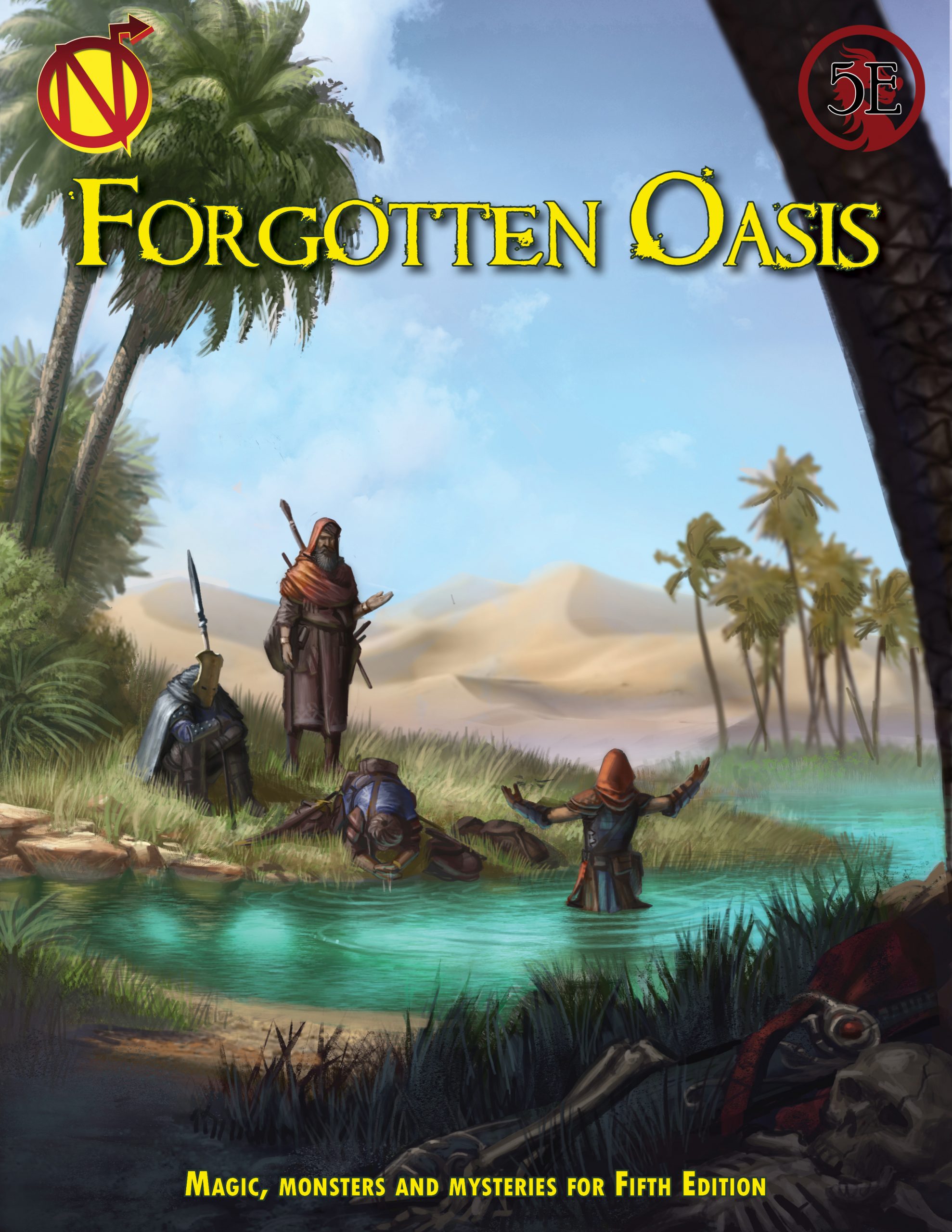
Make a Pact with the Forgotten Goddess Otherworldly Patron for 5E D&D
Otherworldly Patron
You have made a pact with the spirit of a deity that has been dead so long no one remembers her name. Her echo, however, remains with a certain strength to it, and through this echo she gives you power over liminal spaces and that which passes between.

D&D Party Composition — Playing an All Artificer Party
Over on the Nerdarchy YouTube channel Nerdarchists Dave and Ted battle with the idea of an all artificer party for fifth edition Dungeons & Dragons. Exploring this popular video series here on the website and sharing my take on the concept of single party composition remains my favorite writing gig. Artificers in 5E D&D cover a lot of bases with a wide variety of skills and magic, also holding the distinction of being the only official character class from outside the Player’s Handbook. Artificers appear in Eberron: Rising from the Last War with three subclasses to form a foundation in our D&D campaign setting of academia for each particular character class. Students at Artificer Specialists hone their craft at invention with the top minds in the field. So let’s get into it.

Game Masters and Players Need to Know What to Do in RPGs
I’ve been playing and running a lot more games recently and reflecting on them made an observation that might be useful for players and Game Masters alike. Maybe I’m late to the dance here or perhaps I’ll find there’s not much substance to it after all but nevertheless here we are introducing a topic. In broad strokes the idea is using the point of a game to anticipate and prepare for what comes next. When it comes to fifth edition Dungeons & Dragons or any tabletop roleplaying game it’s important for me to know what players are supposed to do during play. For more on this perspective check out What You Do and How You Do It Are Two Different Things in RPGs. When you know the point of a game your games run smoother from both sides of the table. This may stray into metagame territory so let’s get into it find out.
D&D Ideas — Petrification
Welcome once again to the weekly newsletter. This week’s topic is petrification, which we discussed in our live chat. We hangout every Monday evening at 8 p.m. EST and talk about D&D, RPGs, gaming, life and whatever nerdy stuff comes up. Speaking of petrification, coming up in May we’ll be rocking the Patreon rewards in a trip to the Garden of Statuary with a mix of Fifth Edition content for Game Masters and players alike ready to drop right into your games. Check out more and see what $2 gets you over here. You can get the Nerdarchy Newsletter delivered to your inbox each week, along with updates and info on how to game with Nerdarchy, by signing up here. Visit us over at Nerdarchy the YouTube channel here and hit that notification bell so you don’t miss these live chats on Mondays at 8 p.m. eastern, plus our regular three videos each week where we talk about D&D and other RPGs. While we are at home following health safety guidelines we’re continuing to film our videos remotely and Live Chat Revivified streams weekdays at noon eastern with creators joining Nerdarchist Dave to talk nerdy and take questions from the live audience. With the COVID-19 pandemic situation we want to assure everyone we’re following all the guidelines and regulations, and practicing safety and preventative measures like social distancing, and we strongly urge everyone to do the same. Our partners and employees health is our No. 1 priority. Visit Coronavirus.gov for the latest news, updates and developments.

Top 10 5E D&D Homebrew Magic Items for Warlocks by a Factor of Three*
Over at Nerdarchy the YouTube channel Nerdarchists Dave and Ted take a look at magic items in fifth edition Dungeons & Dragons with an eye towards the ones particularly beneficial for a warlock. Like the discussion on top magic items for rogues this is an unusual topic because it’s rare for a character to choose magic items. However there’s a few opportunities I can think of off the top of my head. In Adventurers League play items can be traded on a one-for-one basis for items with the same rarity at a cost of 15 downtime days unless they’re playing at the same table. Games beginning beyond 1st level often allow for players to choose magic items too, like in our own monthly fan one shots. And in the Ghosts of Saltmarsh campaign I’m currently running, one of the NPCs in town acts as a magic item broker who takes requests, and I imagine other 5E D&D adventures contain similar opportunities. But this is Top 10 by a Factor of Three! All the official content gets thrown out the window as we browse homebrew magic items at D&D Beyond looking for the best ones for warlock characters. So let’s get into it.

Worlds Collide When 5E D&D Meets The Office
Over on Twitter we received a request to imagine the characters from The Office as fifth edition Dungeons & Dragons characters. As banner waving 5E D&D enthusiasts and (in my case anyway) a proud Dunderhead how can we refuse? I’ve already tipped my hand indicating this exercise focuses on the US version of the television series. Since realistically the employees of Dunder Mifflin would more than likely be commoners and other generic NPCs instead we’ll assume the day to day operations of the Scranton branch are an epic campaign and give them class and subclass options from 5E D&D.

RPG Rule of Cool Maybe Not So Cool After All
Over at Nerdarchy the YouTube channel Nerdarchists Dave and Ted read between the lines of tabletop roleplaying game rulebooks and discuss the unwritten rule, at least insofar as fifth edition Dungeons & Dragons is concerned — the Rule of Cool. While it may be implied in text and encouraged in practice there is really no codified passage on how to implement this concept. I vacillated on my perspective with this notion, especially since it comes on the heels of a recent video about Rule Zero. On the one hand when it comes to storytelling games like 5E D&D I rather enjoy both aspects — the storytelling and the game parts. On the other, the distinction between the two best I figure is one relies on a game’s rules from which to make a ruling and the other essentially ignores the rules completely.