

D&D Background Spotlight: The Far Traveler
Wonder, Distance, and the Cost of Leaving Home The Far Traveler background is about being somewhere you don’t belong—and may never truly belong. Far Travelers come from distant lands, strange cultures, lost worlds, or places most people only know through rumor. For players, Far Travelers explore curiosity,...


Creatures That Choose You (Aether skies D&D campaign setting)
Unique Pets of the Aether Skies In most fantasy worlds, pets are simple things: dogs, cats, horses—maybe something exotic if magic allows it. In Aether Skies, nothing is simple. The sky is saturated with aether. Dreams bleed into reality. Engines hum like living things beneath the great Aether...

The Witch Who Outlived the Prophecy (D&D character build and backstory)
A Hexblood Sorcerer Character Build for D&D 5e Some heroes defy fate.Some fulfill it. And then there are the ones who survive it — and leave destiny scrambling to explain itself. This D&D 5e character build explores a deeply unsettling question most fantasy worlds never prepare for: What happens...

Creature-Touched Heroes: Celestials (D&D & RPG Guide)
Mortals Touched by the Light Beyond the Stars Not all supernatural power is alien, monstrous, or feral.Some of it burns with purpose, conviction, and divine will. In the Creature-Touched Heroes series, we explore how the great creature types of Dungeons & Dragons leave their mark on mortal...

Death as a Powerful D&D Entity
Using Inevitability, Compassion, and Cosmic Order in Dungeons & Dragons [caption id="attachment_28173" align="alignright" width="194"] A death knight as seen in the fifth edition Dungeons & Dragons Monster Manual. [Image courtesy Wizards of the Coast][/caption] Death does not threaten.Death does not bargain.Death does not lie. Death simply arrives. Terry Pratchett’s...

Under the Dome: The Creatures We Keep (D&D campaign setting)
Designing Companions and Pets in a Post-Apocalyptic D&D Campaign [caption id="attachment_89367" align="alignright" width="281"] Players love weird pets and familiars.[/caption] In Under the Dome, chaos reshaped the world — but it didn’t erase companionship. This post explores how pets and companion creatures function in a post-apocalyptic fantasy campaign, and...

D&D Background Spotlight: The Folk Hero
Legends, Expectations, and the Weight of Being Known The Folk Hero background is about ordinary people who did one extraordinary thing—and now have to live with it. Folk Heroes aren’t chosen by destiny or trained by institutions. They are elevated by circumstance, luck, bravery, or desperation. [caption...

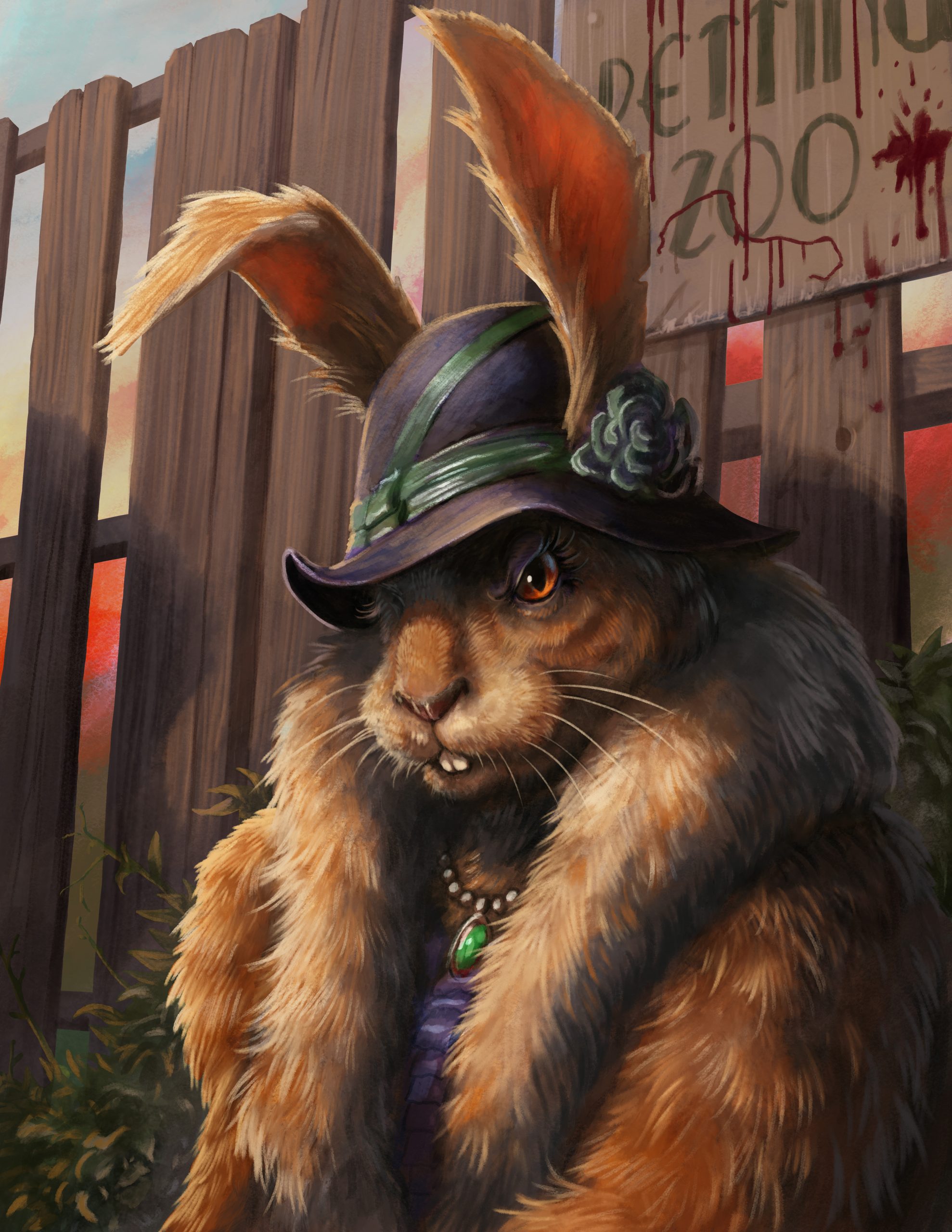
Neutral Ground Isn’t Neutral (Zoo Mafia TTRPG of animal noir crime)
Shared Spaces as Pressure Points, Ambush Zones, and Fragile Diplomatic Tables in Zoo Mafia In Zoo Mafia, our noir animal mafia tabletop RPG set inside a 1920s crime zoo, the most dangerous territory isn’t owned by anyone. It’s the territory everyone needs. Every zoo has places no one...

Names Matter: Titles, Call Signs, and What People Refuse to Say (Aether Skies D&D campaign Setting)
How identity becomes leverage in Aether Skies In most fantasy RPGs, a name is just a label.In Aether Skies, a name is a position. What someone calls you—and just as importantly, what they refuse to call you—reveals power, debt, fear, and survival strategy. Names shift depending on...

The Heir Who Was Never Crowned (D&D character build and background)
A Dhampir Paladin Character Build for D&D 5e [caption id="attachment_32147" align="alignright" width="250"] A vampire as seen in the fifth edition Dungeons & Dragons Basic Rules. [Image courtesy Wizards of the Coast][/caption] Some rulers inherit a throne.Some take it by force.And some… die before the crown ever touches...

Creature-Touched Heroes: Beasts (D&D character guide)
Champions of Claw, Fang, and Instinct Beasts in the Creature-Touched Heroes Series (D&D 5e) In the Creature-Touched Heroes series, we explore how the great creature types of Dungeons & Dragons shape the heroes who walk its worlds. Some characters draw power from ancient magic, alien intellects, or...

Nerdarchy Returns from Page 3: Philadelphia Area Gaming Expo
Ted and Dave are back from Page 3: Philadelphia Area Gaming Expo, a local gaming convention that is clearly on the rise—and after this weekend, it’s safe to say it has officially leveled up. Between the games, the people, and the sheer creative energy filling the...

Under the Dome: Controlled Faith (A TTRPG and D&D Setting)
Worldbuilding Belief in a Post-Apocalyptic D&D Campaign In Under the Dome, faith does not disappear with the gods. It mutates. Belief doesn’t need deities to be dangerous. There are no gods beneath the Dome. No answered prayers.No divine miracles.No holy authority waiting beyond the chaos storms. And yet — people still...

D&D Background Spotlight: The Entertainer
Applause, Masks, and the Power of Being Seen The Entertainer background is about more than music, juggling, or stage tricks. Entertainers understand something fundamental about the world: people want to feel something. Laughter, awe, sorrow, hope—an Entertainer knows how to pull [caption id="attachment_26903" align="alignright" width="225"] A bard...

Inheritance Without Land (Aether Skies D&D campaign setting)
Legacy in a World Where Nothing Stays Put In most fantasy worlds, inheritance is simple. Land passes from parent to child. Titles are tied to soil. Graves mark where a family began and where it ends. In Aether Skies, there is no land to inherit. The cities float.The ground...