

D&D Ideas — Runes
Welcome once again to the weekly newsletter. This week’s topic is runes, which we discussed in our weekly live chat. We hangout every Monday evening at 8 p.m. EST on Nerdarchy Live to talk about D&D, RPGs, gaming, life and whatever nerdy stuff comes up. Speaking of runes in Devil’s Hospitality unwitting adventurers entangle themselves in a fiendish contract marked by deceptive runes and the race begins to find a loophole and void the binding circumstances. This guest creator encounter from Don’t Stop Thinking’s CJ Leung ensnares heroes in a devilish plot along with 54 other dynamic scenarios in Out of the Box. Find out more about it here. You can get the Nerdarchy Newsletter delivered to your inbox each week, along with updates and info on how to game with Nerdarchy, by signing up here.


10 Tiny Terrors of 5E D&D
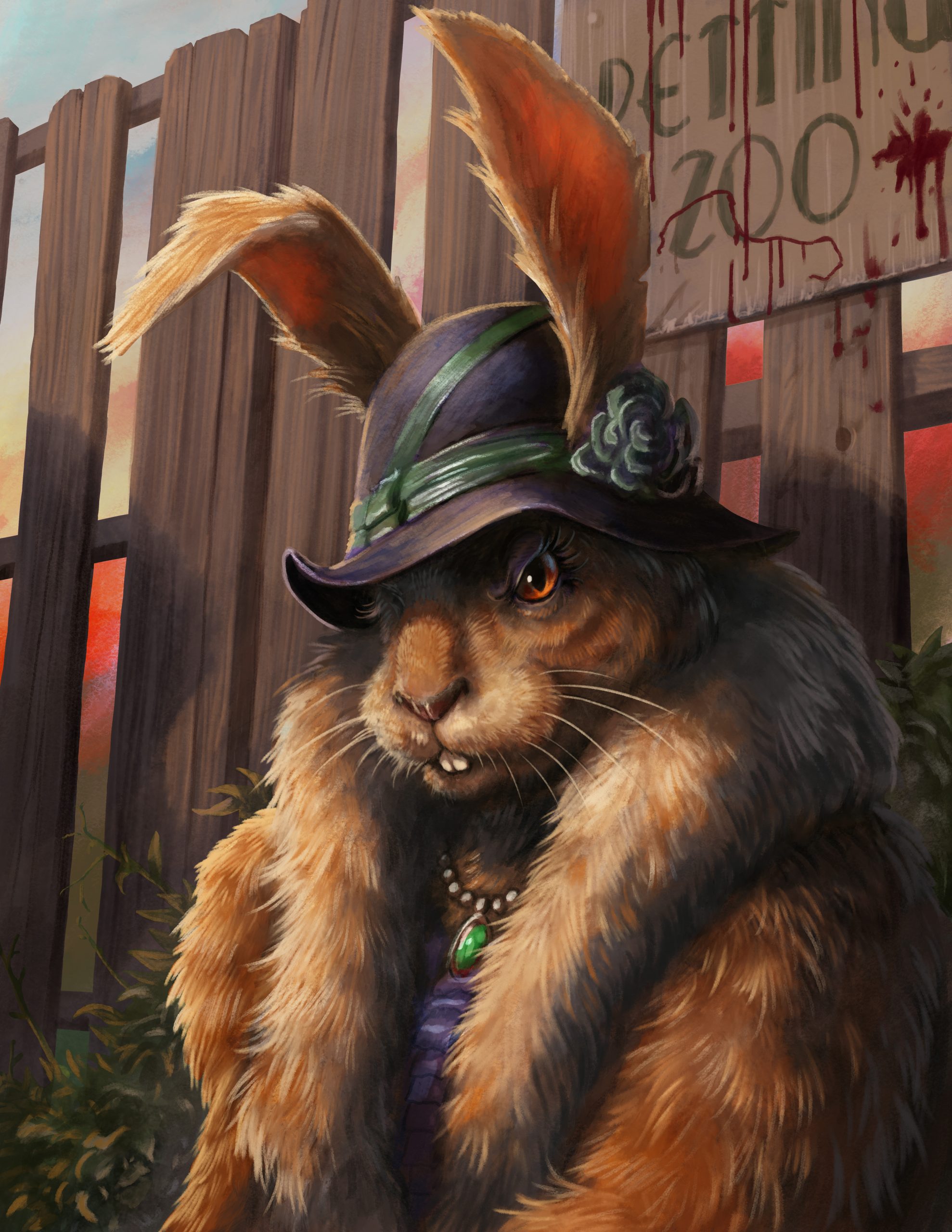
Not too long ago I took a look at the chonkiest bois in fifth edition Dungeons & Dragons. It turns out 5E D&D’s most massive monsters when it comes to hit points also stand at the top of the size chart with ten out of 13 boasting Gargantuan size. But big threats don’t always come in equally big packages. While there aren’t a whole lot of deadly creatures on the Tiny side of things there’s plenty to put adventurers in peril. So let’s get into it.


Play Your Next 5E D&D Game as a Dragon Champion with this New Magic Item
Tempered in the Mage Forge, Drukal the Fang of Drasusgino comes to you by way of Nerdarchist Dave’s Court of Wyrms campaign. A Land of the Lost style setting for fifth edition Dungeons & Dragons adventures this hidden region sees reptilian and draconic entities as the dominate creatures. Kobolds, lizardfolk, dragonborn, yuan-ti and others of the scaly persuasion hold sway in a land of dinosaurs, drakes and dragons.

Write the RPG You’ve Always Wanted During GamoWriMo — the NaoNoWriMo Spinoff for TTRPG Nerds
It’s November, which means National Novel Writing Month — also lovingly referred to as NaNoWriMo. Last year, Dael Kingsmill proposed a twist on our classic NaNoWriMo called GamoWriMo. The premise of NaNoWriMo is a challenge to write at least 50,000 words of a novel in a single month. GamoWriMo’s challenge was similar: take the niggling idea for an RPG campaign that just won’t leave you alone and get it to a playtest worthy state before the end of the month. Both challenges emphasize getting words on a page as opposed to immaculate quality.


Listen to the Sound of Music | Tool Time with Musical Instruments in 5E D&D
In our continuing discussion of tools and proficiencies in fifth edition Dungeons & Dragons it’s time we talked about a craft many appreciate and even more confuse with the existing Performance skill. Grab your kalimba and take a seat in the orchestra because we’re talking about instruments. As a quick note tool proficiencies are generally nebulous in 5E D&D and their applications vary depending on your Dungeon Master. These posts are meant as guides for those who don’t know where to start but many DMs already have established rules for how tools proficiencies work in tandem with skills. So make sure to ask how tool proficiencies work in your own games.

Player Choices Foster RPG Division of Labor for Better Game Experiences
Over at Nerdarchy the YouTube channel Nerdarchists Dave and Ted ponder the ins and outs of Dungeon Masters recognizing and respecting player and character choices in fifth edition Dungeons & Dragons. The discussion applies to any tabletop roleplaying game and encompasses both mechanical and narrative choices during character creation and throughout a campaign. To me this speaks to paradigm shift in the RPG hobby. So let’s get into it.

Buff Your 5E D&D Battle Master Courtesy of Tasha’s Cauldron of Everything
Dungeons & Dragons Principal Rules Designer Jeremy Crawford recently shared a bit of inside information about Tasha’s Cauldron of Everything sure to get fans of the fighter class excited. In particular Crawford wrote about Battle Master builds included in the upcoming book of expanded rules for fifth edition D&D. So let’s get into it.

Ten Candles Makes Your Final Moments Have Meaning
Over at Nerdarchy Live we recently welcomed Stephen Dewey as a guest for Live Chat Revivified. Stephen is the creator of Ten Candles, a certainly unique tabletop roleplaying experience described as a storytelling game of tragic horror. Before appearing on the live chat Stephen sent me a copy of Ten Candles. After reading through the book and listening to him and Nerdarchist Dave discuss the game you can color me intrigued. So let’s get into it.

Exploring Eberron through the College of the Dirge Singer Bard for 5E D&D
Over at Nerdarchy the YouTube channel Nerdarchists Dave and Ted strike a chord with Exploring Eberron with another look at the character options included in the Dungeon Master’s Guild book produced by Keith Baker, the original creator of the megapopular Dungeons & Dragons campaign setting. D&D players embraced Eberron’s rich and detailed setting from the very beginning. Exploring Eberron does a terrific job illustrating how curating character options creates a tremendous opportunity to show, rather than tell, what is special about your world. Exploring Eberron includes several subclasses for 5E D&D characters to choose from specially tailored to the setting, and Nerdarchy explores them all like we do. In the case of the College of the Dirge Singer bard I’m going through the book to find the connection points between the subclass and the larger world it comes from. So let’s get into it.

4 Ways to Make NPCs Likeable in your RPG Experiences
Salutations, nerds. I’m coming in with some tips and tricks to get player characters to like a the non-player characters in your tabletop roleplaying games. I know we’ve all been there before in situations where you worked really hard on a character for the party to interact with and they got there and just hated them out of the gate. There’s not much to be done about this. You can do everything right and still have that happen every once in a while. Here are some methods I’ve gathered to narrow the margin for error and throw an NPC at your party they’ll like both in and out of character.