



Under the Dome: Unusual Monsters (A post Apocalyptic fantasy D&D setting)
When Survival Makes Room for the Unacceptable

Under the Dome, mutation is feared.
It is monitored, cataloged, quarantined—and when necessary, destroyed. Chaos-touched creatures are reminders that the storms outside the barrier never truly went away. They are evidence that the Dome’s protection is imperfect.
Officially, the policy is simple:
Unstable mutations threaten Dome integrity.
But survival under the Dome has never been guided by policy alone.
It is guided by profit.
And when something dangerous becomes profitable enough, the definition of “threat” begins to change.
🧪 1. The Line Between Mutation and Asset
Not all mutations are treated equally.
Some are exterminated immediately.
Others are quietly tolerated.
The difference is rarely about how dangerous they are.
It’s about how useful they might be.
A mutated scavenger capable of navigating chaos zones may become a highly paid guide.
A creature that naturally absorbs unstable magical energy might stabilize sensitive machinery.
A chaos-touched predator could be captured, trained, and sold as a living security system.
Once something becomes useful, people stop calling it a monster.
They call it an asset.
And assets are protected—right up until they stop generating value.
🏛️ 2. Officially Sanctioned Abominations
In certain controlled environments, chaos-touched creatures are not merely tolerated.
They are maintained.
Research guilds study mutation patterns.
District barons fund “containment initiatives” that suspiciously resemble breeding programs.
Security forces experiment with modified guardians designed to patrol sensitive infrastructure.
The language used around these programs is carefully chosen.
No one calls them experiments.
Instead they are described as:
-
Adaptive studies
-
Containment initiatives
-
Environmental resilience programs
But the real goal is simple.
Someone is trying to learn how to turn chaos into leverage.
💰 3. The Business of the Unnatural

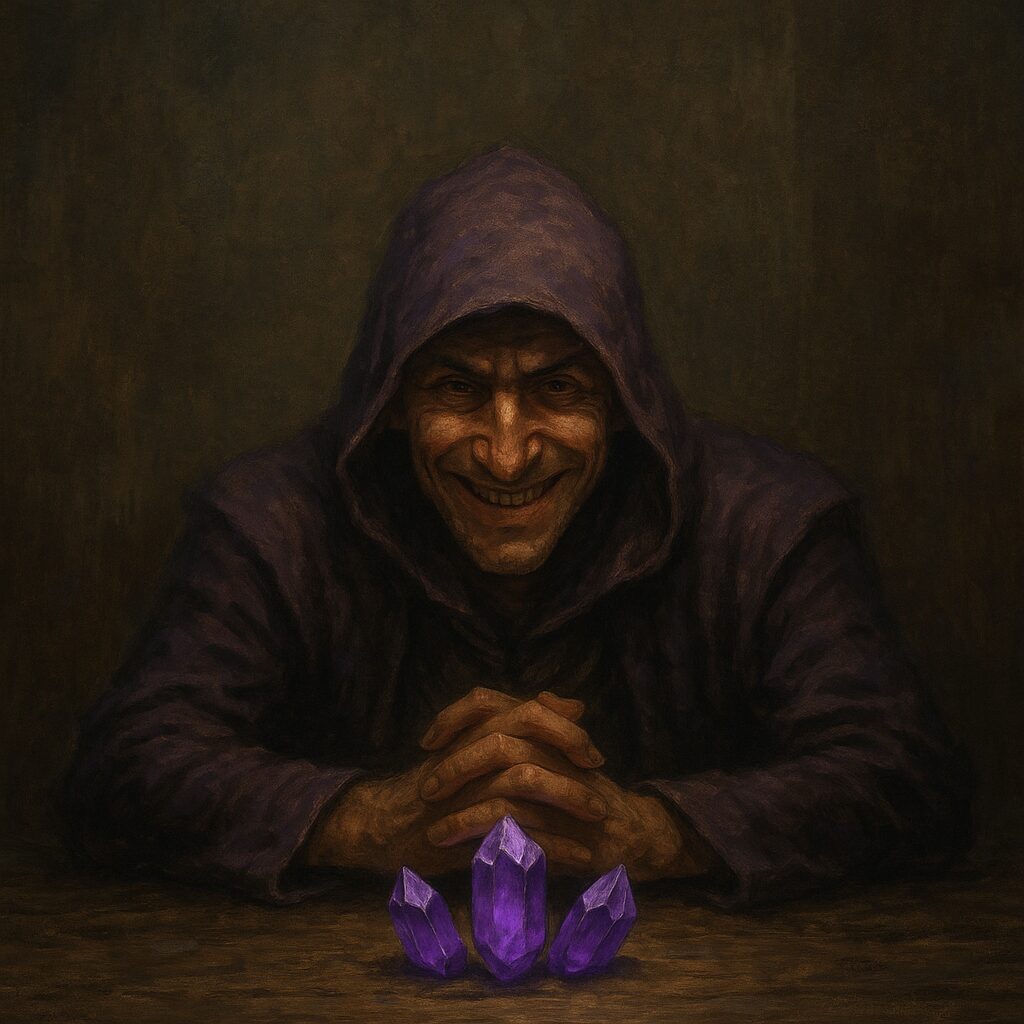
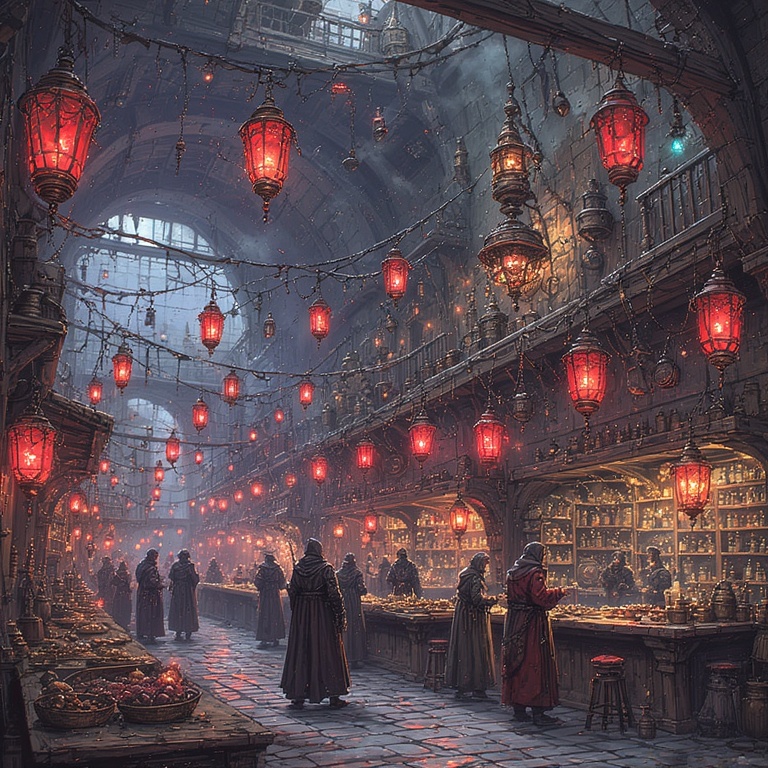
A thriving underground market exists for useful monsters.
Smugglers and brokers deal in creatures that would never be allowed through official channels.
Popular commodities include:
-
mutated animals with enhanced senses used as trackers
-
chaos-sensitive insects that react to approaching storms
-
fleshwarped laborers capable of surviving hazardous environments
-
creatures whose organs produce rare alchemical materials
Some buyers want tools.
Others want protection.
A few simply want proof that they can control something the storms created.
But every buyer understands the same truth:
Chaos does not stay obedient forever.
🕶️ 4. Acceptable Monsters
Over time, people adapt to what once terrified them.
Creatures that would have caused panic years ago are now treated as nuisances—or curiosities.
Children grow up seeing things their grandparents would have fled from:
-
security beasts patrolling wealthy districts
-
chaos-adapted vermin thriving in maintenance tunnels
-
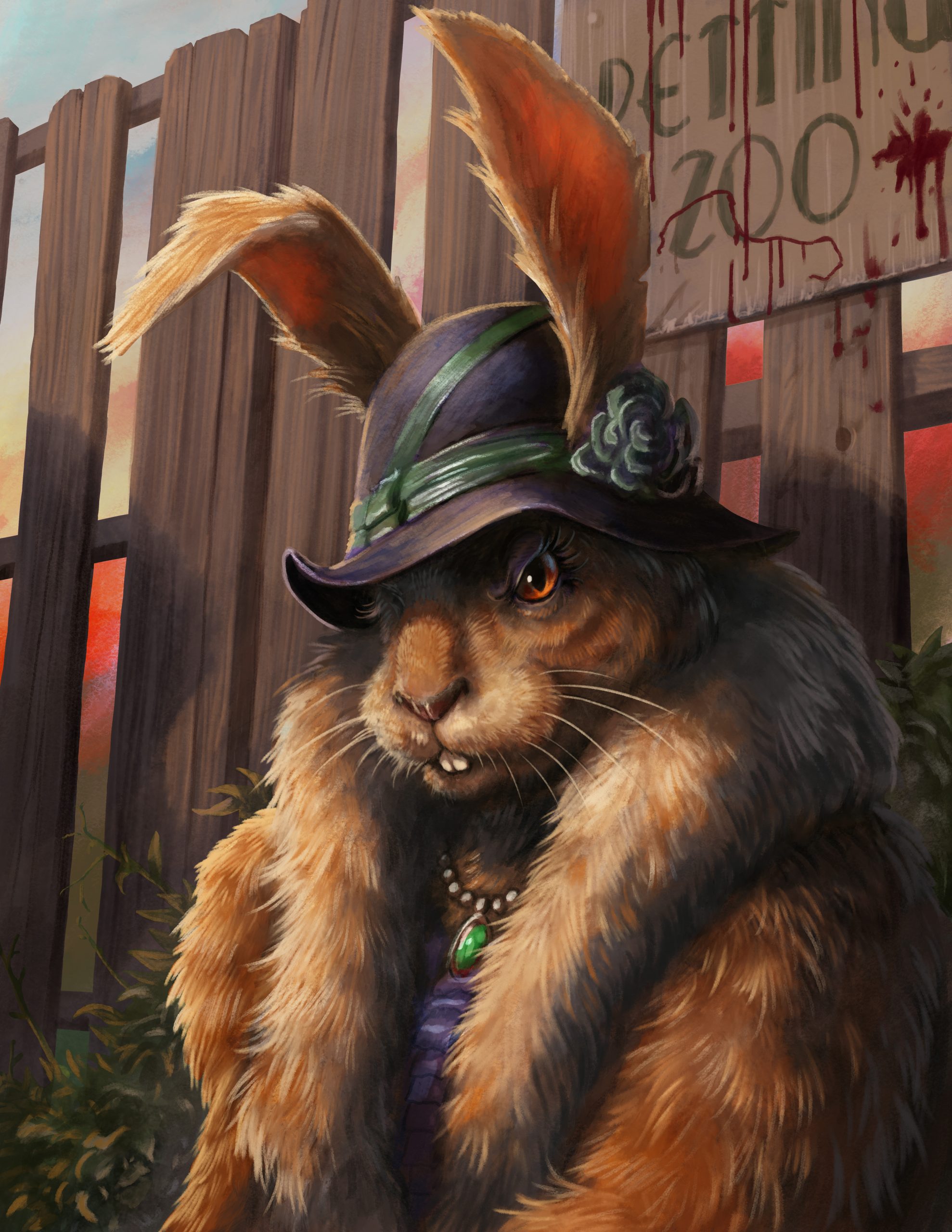
mutated pets in neighborhoods where rules are loosely enforced
Eventually the definition of “monster” begins to shift.
It no longer means unnatural.
It means uncontrolled.
⚖️ 5. The Moral Cost

Allowing useful monsters creates a quiet contradiction in Dome society.
Authorities claim mutations must be eliminated to keep people safe.
But every sanctioned abomination proves the rules are flexible when profit demands it.
That contradiction spreads.
People begin asking dangerous questions:
-
If some mutations are acceptable, why are others exterminated?
-
If chaos can be controlled, why is exposure treated as a crime?
-
If monsters can serve the Dome, what makes them different from people?
These questions rarely receive official answers.
But they linger in the spaces where survival and policy collide.
🎲 Using Useful Monsters in Your RPG Campaign
For Dungeon Masters
Useful monsters add moral ambiguity to encounters. They blur the line between creature, weapon, and commodity.
Consider adventures involving:
-
smuggling mutated creatures past Dome security checkpoints
-
infiltrating a research facility studying chaos mutations
-
tracking down a dangerous escaped “asset”
-
uncovering a Baron’s illegal breeding operation
The real conflict may not be heroes versus monsters.
It may be ethics versus profit.
For Players
When your characters encounter something labeled a monster, ask a few questions:
-
Who benefits from this creature existing?
-
Who suffers because of it?
-
Who decided the risk was acceptable?
Sometimes the most dangerous creatures under the Dome are not the ones created by chaos.
They are the ones created by economics.
🕯️ Closing Thought
The storms outside the Dome created countless horrors.
Inside the Dome, people discovered something unsettling.
A horror becomes acceptable the moment it becomes useful.
And the longer a monster generates profit, the harder it becomes to remember why anyone feared it in the first place.
Because under the Dome, the real question isn’t whether something is monstrous.
It’s whether someone can make money from it.
Thanks for reading. Until Next Time, Stay Nerdy!!



No Comments