




The Duplicate Dungeon: Turning Your D&D Party Against Themselves (and Their Past)
If you’ve ever looked at your campaign notes and thought, “I wish I could reuse that dungeon, that boss, or that incredible terrain piece…”—this adventure concept is your answer.

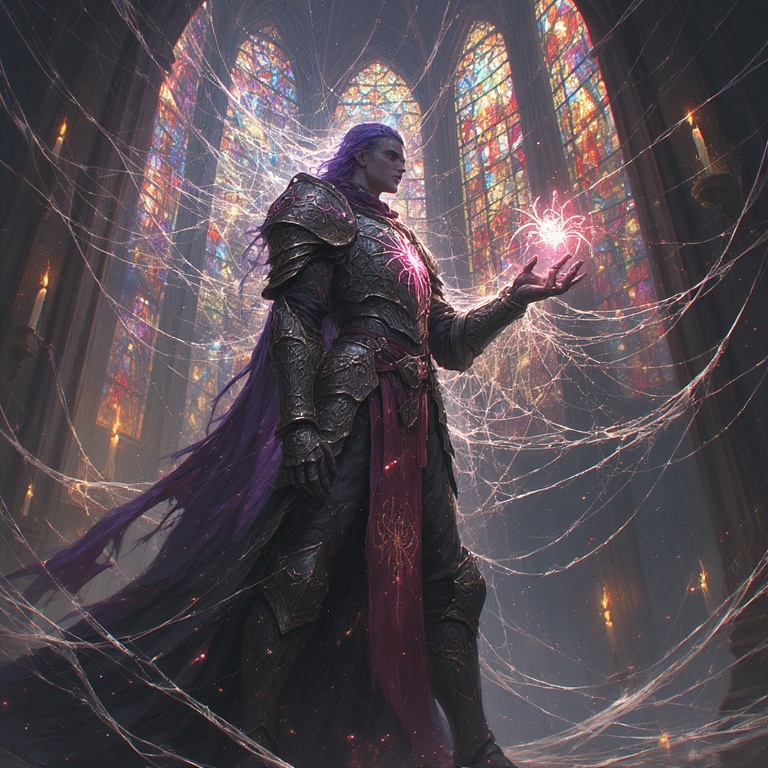
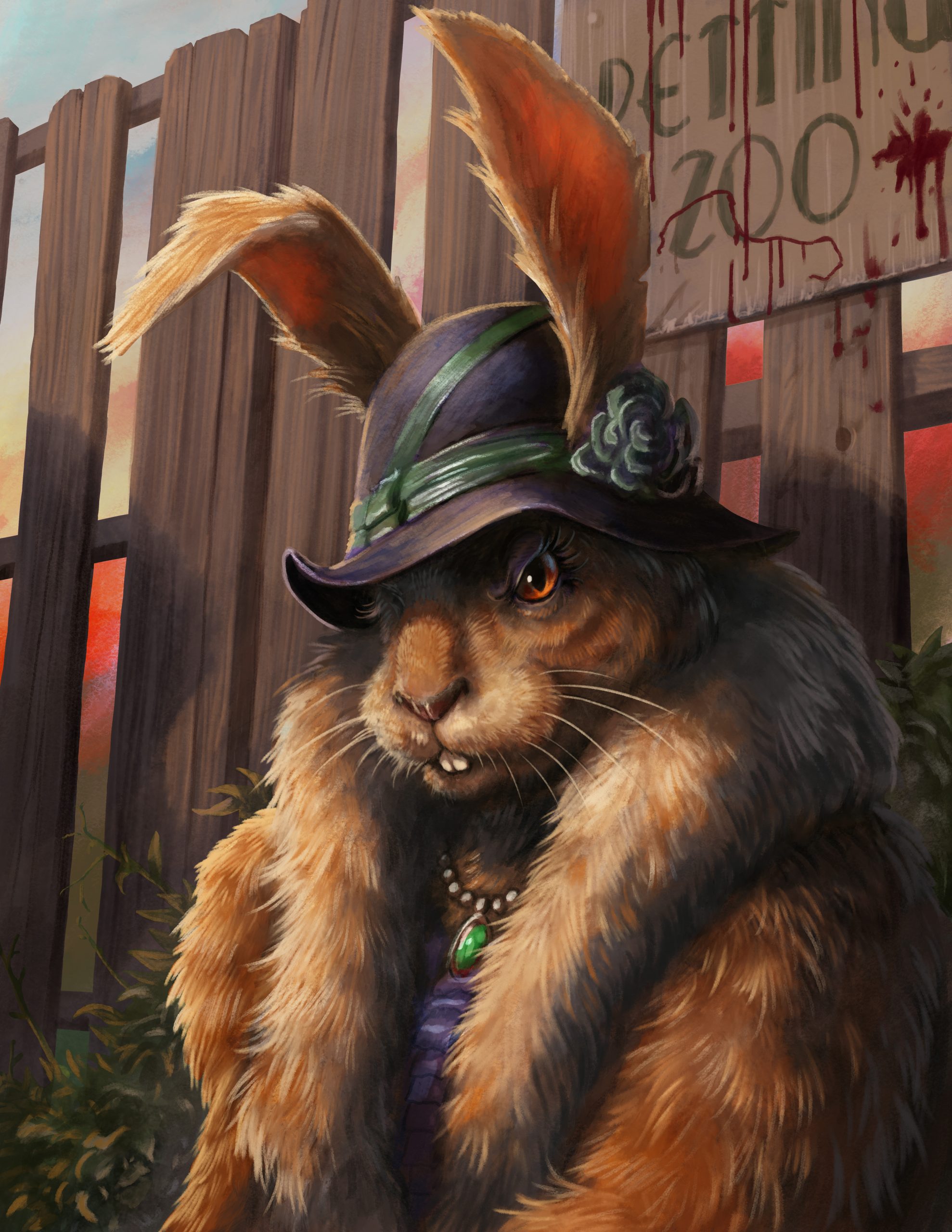
In Shadow of Your Former Self, adventurers come face to face with the most dangerous threat of all. This is one of 55 encounter in our Out of the Box book. Click the image to check out a FREE encounter we created as a sort of preview for what to expect in the book. [Art by Kim Van Deun]
The Duplicate Dungeon is a mind-bending, nostalgia-driven gauntlet where your players face twisted reflections of their past victories… and ultimately, themselves.
This concept hits a sweet spot: high challenge encounters, psychological horror, DM prep efficiency, and player-driven storytelling. From a DM perspective? It’s pure gold.
What Is the Duplicate Dungeon?
At its core, the Duplicate Dungeon is a reality-warped space—arcane, divine, or aberrant in origin—that recreates moments from the party’s past.
-
Rooms replicate previous dungeons, cities, or battlefields
-
Enemies are echoes or altered versions of defeated foes
-
Clues reveal alternate outcomes or missed details
-
The final encounter: the party vs. themselves
This isn’t just a dungeon crawl—it’s a confrontation with memory, identity, and consequence.
Adventure Hook Ideas
To pull your players in, tie the dungeon to something deeply personal or mysterious:
-
The Shattered Relic: A powerful artifact begins projecting fragments of the party’s past.
-
The Archivist’s Challenge: A cosmic entity catalogs heroes by forcing them to relive and surpass their greatest moments.
-
Temporal Collapse: A tear in time causes locations to overlap, forming a dungeon of stitched memories.
-
The Jealous God: A forgotten deity creates perfect copies of the party to prove they are replaceable.
Dungeon Design: Echoes of the Past
The key to this concept is intentional reuse with a twist. You’re not just recycling—you’re remixing.
Room 1: The Familiar Entrance
The party enters what appears to be a known dungeon—but something is off.
-
Torches burn in the wrong color
-
Sounds echo incorrectly
-
NPC graffiti references events that never happened
DM Tip: Let players recognize the space before subverting expectations.
Room 2: The First Victory (Reimagined)

Recreate an early triumph—but change the variables:
-
The goblin ambush now uses advanced tactics
-
The once-weak boss has legendary actions
-
Environmental hazards are amplified
SEO Angle: “How to Scale Old Encounters for High-Level Parties”
Room 3: The Missed Clue
This is where you reward attentive players—or haunt inattentive ones.
-
A previously overlooked journal now reveals a larger conspiracy
-
A spared NPC appears as a vengeful echo
-
A puzzle solution leads to a different outcome
This room reinforces that choices matter, even retroactively.
Room 4: The Terrain Showcase
Bring back that one map, mini, or terrain piece you loved but only used once.
-
A collapsing bridge fight
-
A rotating platform puzzle
-
A lava chamber with shifting safe zones
DM Joy Factor: Extremely high.
The Twist: Imperfect Copies
As the dungeon progresses, the party should realize:
These aren’t perfect recreations… they’re interpretations.
Lean into that.
-
Enemies behave based on how the party remembers them
-
Details are slightly exaggerated or distorted
-
The dungeon itself may be learning from the party
Final Encounter: The Mirror Match

At the dungeon’s heart lies the ultimate challenge:
The Party vs. Themselves
Each player faces an exact duplicate:
-
Same stats
-
Same gear
-
Same spell slots
-
Same abilities
But here’s where you, as the DM, elevate the encounter.
Running the Mirror Fight (Without Slowing the Game)
This can get complicated fast. Here’s how to keep it smooth:
Option 1: Simplified Stat Blocks
-
Convert each PC into a streamlined NPC version
-
Focus on signature abilities, not every detail
Option 2: Tactical AI Personalities
-
Play each duplicate as a reflection of the character’s worst instincts
-
The reckless barbarian overextends
-
The wizard burns high-level slots too early
-
The rogue prioritizes damage over survival
-
Option 3: Player-Controlled Opponents (Advanced)
-
Let players run each other’s duplicates
-
Creates a brutal and memorable PvP dynamic
Optional Twist: They Know What You’ll Do
The duplicates may:
-
Counterspell at the perfect moment
-
Target known weaknesses
-
Exploit party tactics
Because… they are the party.
Rewards: Double the Loot, Double the Drama
Defeating their duplicates yields:
-
Duplicate magic items
-
Recovered or upgraded past loot
-
Knowledge-based rewards (advantage on future related checks, etc.)
Balance Considerations
Yes, this can explode your party’s power level. That’s okay—if you plan for it.
-
Introduce item instability (duplicates degrade over time)
-
Make duplicates slightly altered (cursed, sentient, evolving)
-
Scale future encounters accordingly
Why This Adventure Works 

This concept resonates because it hits multiple high-interest search intents:
-
“Creative D&D dungeon ideas”
-
“High-level party challenges 5e”
-
“How to reuse encounters in D&D”
-
“D&D mirror match boss fight”
But more importantly—it works at the table because it’s personal.
Players aren’t just fighting monsters. They’re confronting:
-
Their past decisions
-
Their playstyle habits
-
Their own power
Variations to Keep It Fresh
Want to expand or tweak the concept?
-
The Broken Mirror: Each duplicate represents a different alignment version of the PC
-
The Future Selves: The final fight is against higher-level versions of the party
-
The Failed Timeline: The dungeon shows what happens if the party loses key moments
-
The Parasite Dungeon: A living entity feeding on memories and growing stronger
Final Thoughts
The Duplicate Dungeon is more than a clever gimmick—it’s a campaign reflection engine.
It rewards long-term play, gives DMs a second chance to shine, and creates unforgettable “oh no…” moments when players realize:
“Wait… that’s me.”
And honestly? There are few better ways to challenge a party than forcing them to face the one thing they can’t easily outthink—
Themselves.
Thanks for reading. Until Next Time, Stay Nerdy!!

No Comments