




Why Tactical Shooters Appeal to the Same Brain That Loves D&D
If you have ever spent a whole night arguing over party composition, planning an ambush just before opening a dungeon door, or debating whether the wizard should save their final spell slot, then you already know the mindset that makes tactical shooters

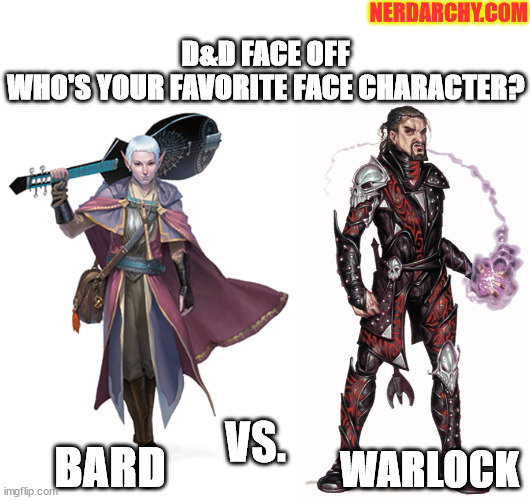
What is looks when the Artificer bard takes the stage.
so addictive. You may not realize it yet, but a lot of Dungeons & Dragons enthusiasts are inherently predisposed to liking games like Rainbow Six Siege, Valorant, and Counter-Strike. By the way, at first sight, these genres may look entirely different. One is based on dice rolls, dragons, and imagination. The other is based on guns, maps, and competitive rounds.
However, apart from the visual aspects, they both essentially reward the same kind of intelligence: patience, teamwork, planning, adaptability, and problem-solving under pressure. That is why so many players of tabletop games eventually experience an “aha” moment when they try a tactical shooter. They find out that it is not just about having the fastest reactions. It is about outsmarting the other team.
Strategy Beats Speed More Often Than You Think
Most people naturally think that shooters rely entirely on quick reactions. Tactical shooters knock that notion on its head right away. In D&D, if you blindly run into battle without any plan, you are almost certainly going to get wiped out. Smart teams send scouts ahead, gather information, prepare spells, lay traps, and even discuss their fighting positions before the battle begins. Tactical shooters are just as much about these kinds of habits.
Outcomes are often determined by:
- Figuring out where the enemy will move
- Using gadgets exactly when needed
- Waiting and holding the protective angles for long periods
- Handing out attack orders to other members of the team
- Moving ahead of time to a safer place
- Being able to think clearly even if the plan is disrupted
Even the best shot might lose to the team that has the better strategy. This fact probably resonates right away with tabletop gamers for whom getting ready frequently outmatches brute strength.
Class Fantasy Exists in Both Worlds
The identity of one’s class is one of the main reasons for the huge popularity of D&D among gamers. A great many players identify with the role of a tough, heavily-armored warrior who is willing to put up the most resistance and shield their companions from harm. Others would rather be the rogue who goes ahead to scout the area, gets the intelligence, and makes the killing strike at the most appropriate moment. Some players enjoy performing healing and providing support, while others choose to control the battlefield with magic.
Tactical shooters offer character roles and operator archetypes for players to live out a similar dream.
You might choose:
- Defensive specialists who fortify objectives
- Recon experts who gather information
- Aggressive entry players who start fights
- Support characters who heal or protect allies
- Trap-focused defenders who control flanks
- Utility experts who break enemy setups
This is very similar to choosing your character for the next campaign. You are not just looking at your character’s stats – you are deciding on the role that you want to play in the team.
For D&D lovers, this role identity is sometimes the reason why tactical shooters have become a favorite pastime.
Team Composition Matters 

Almost any experienced tabletop player will tell you that the balance of the party is important. A party without a frontline defense, without healing, or without utility can certainly survive, but the challenge will be much tougher. Tactical shooters support the same reasoning. Strong teams are the result of combining different roles instead of just having selfish fraggers who only seek kills.
A balanced squad needs:
- A player who opens space
- Someone who gathers intel
- Defensive anchors
- Utility support
- A flexible closer who adapts mid-round
This is reminiscent of the classic synergy in a tabletop game. The fighter protects the wizard. The rogue sneaks in for the cleric. The bard boosts everyone else.
In tactical shooters, the gadget of one operator is able to create an opening for another player. A drone is used to see the enemy positions, smoke is for blocking their vision, breaching tools make a wall to be opened, and teammates work together to capitalize.
This chain reaction of teamwork is deeply satisfying for players who enjoy cooperative systems.
Knowledge Is Sometimes More Powerful Than Brute Force
Experienced D&D players always say that with knowledge, you can win a battle without fighting a single combat. If you know a monster’s weak point then you are able to change the fight. If you find a secret trap, then you are able to change your path. If you get to know a noble enemy’s secret, then you are able to change the whole campaign. In tactical shooters, information works the same way.
Audio clues, cameras, drone footprints, broken barricades, missing enemies, and map pressure all tell a story. The smartest teams gather that information and act before their opponents even realize something is happening. Sometimes, a team with a worse understanding of the mechanical aspect wins solely because they know better.
This is the traditional logic of the tabletop game: the group that is ready defeats the stronger one. For those who really enjoy deduction, interpreting scenarios, and identifying patterns, tactical shooters will be a nice fit.
Maps Feel Like Dungeons
Some D&D players consider maps as dungeons in themselves. Along with combat, many D&D players are also passionate about exploration. For them, learning a room’s layout, figuring out choke points, noticing hidden passages, and realizing how the terrain can make a situation dangerous are just as thrilling as fighting. Tactical shooter maps offer that very same thrill.
Excellent players analyze:
- Sightlines
- Entry points
- Flanking routes
- Vertical positions
- Safe rotations
- Defensive choke zones
- Risky shortcuts with high reward
This is essentially dungeon exploration, but it is a competitive form. Instead of asking, “What is behind this locked door?” you ask, “Who is holding this angle?” Instead of checking for traps, you clear corners and watch for gadgets.
The rhythm also feels quite similar: cautious movement, rising tension, discovery, then explosive action.
Rainbow Six Siege Is a Great Example
Being a recent tactical shooter, Rainbow Six Siege can be considered the brightest example of a gameplay concept that’s very much in line with the mindset of D&D. The operator lineup is like picking classes for an encounter. Certain operators focus on intel gathering, some on strengthening defenses, others on breaching walls, some on disabling gadgets, and the rest on creating chaos through utility. In fact, team makeup is a real factor.
Besides, rounds generate a slow-burning tension that is highly appreciated by tabletop players. You are scouting, collecting clues, forecasting enemy plans, adjusting to changes, and finally deciding on your move when it is the right moment. In fact, it makes a game of patience and planning, a game of aiming equally.
If you want to get more operators or buy cosmetics, you can buy Rainbow Six Siege R6 credits through Eneba’s marketplace. Generally, for anyone who wants to get more immersion in their gaming experience, it is a very logical decision.
Nerd Communities Naturally Gravitate Here

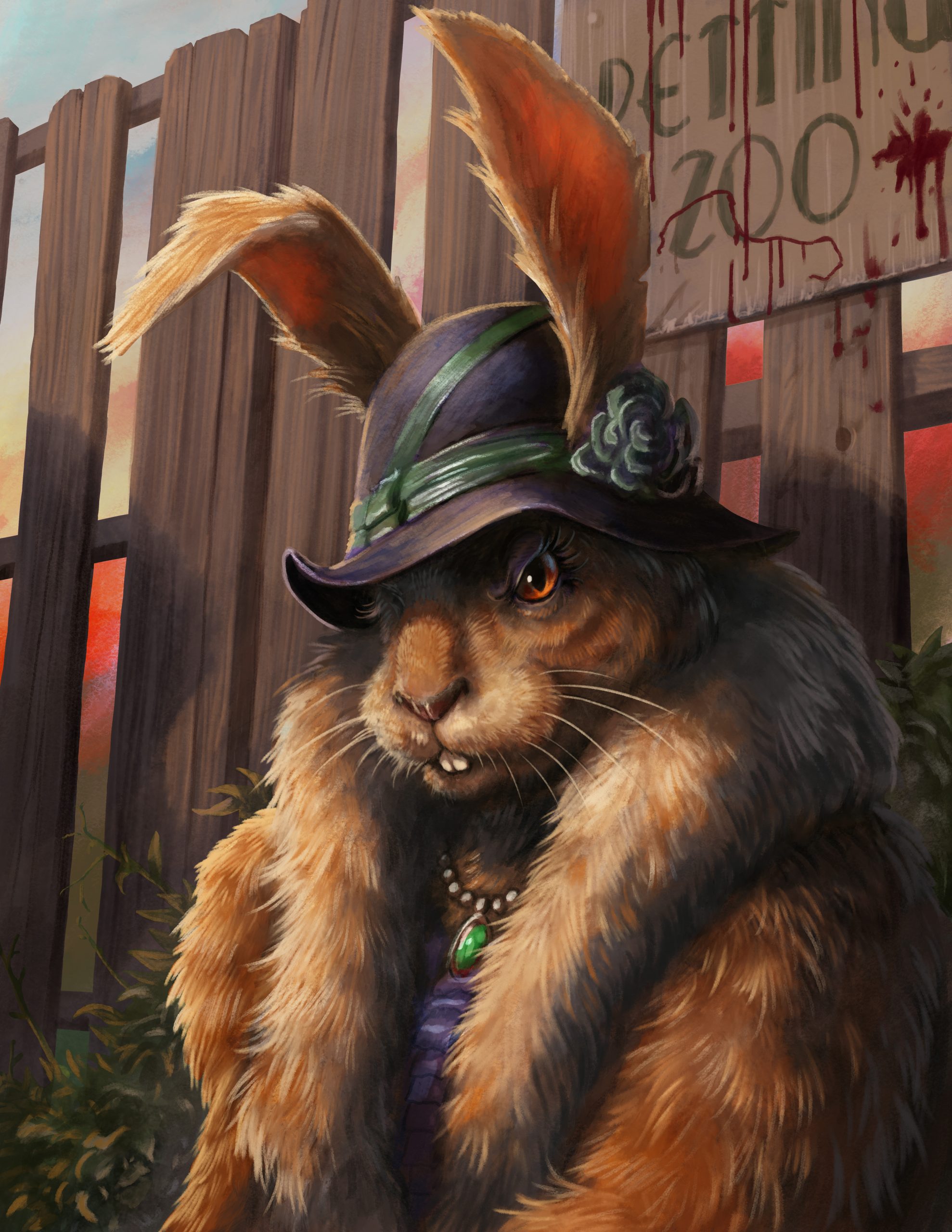
Wizard Magic Item Happy Dance
There has always been a large overlap among fantasy fans, tabletop gamers, strategy players, and tactical shooter communities. And that link is no accident.
These groups, for the most part, value:
- Depth over simplicity
- Mastery over randomness
- Systems over spectacle
- Teamwork over ego play
- Clever decisions over flashy button-mashing
If individuals are, say, figuring out the best combination of classes in a D&D character or setting up a very precise attack in Siege, very similar brain functions are being used.
The topics might be different (dragons versus drones, castles versus compounds), but the attraction is very much the same.
Failure Is Significant
Yet another point of overlap of the two genres both inspiring passionate communities is that mistakes really count. In other types of games, misplays typically get forgotten on the spot. However, in D&D and tactical shooters, one’s positioning, the use of the wrong resources, getting carried away, or lacking communication can lead to losing everything. In that situation, the risks are truly high. And if the last one standing succeeds when no one expects it, that moment will surely be remembered as a highlight. It’s absolutely thrilling when the squad is down to one man on the map and still pushing forward. This type of event tends to be discussed for quite a while.
If each player performs their role to the highest level all along, the victory will appear very fitting. Such instances give rise to new narratives, and the story-based memories constitute a fundamental reason why people are so into tabletop gaming. Tactical shooters are always able to create these accounts.
The Social Element Matters Too
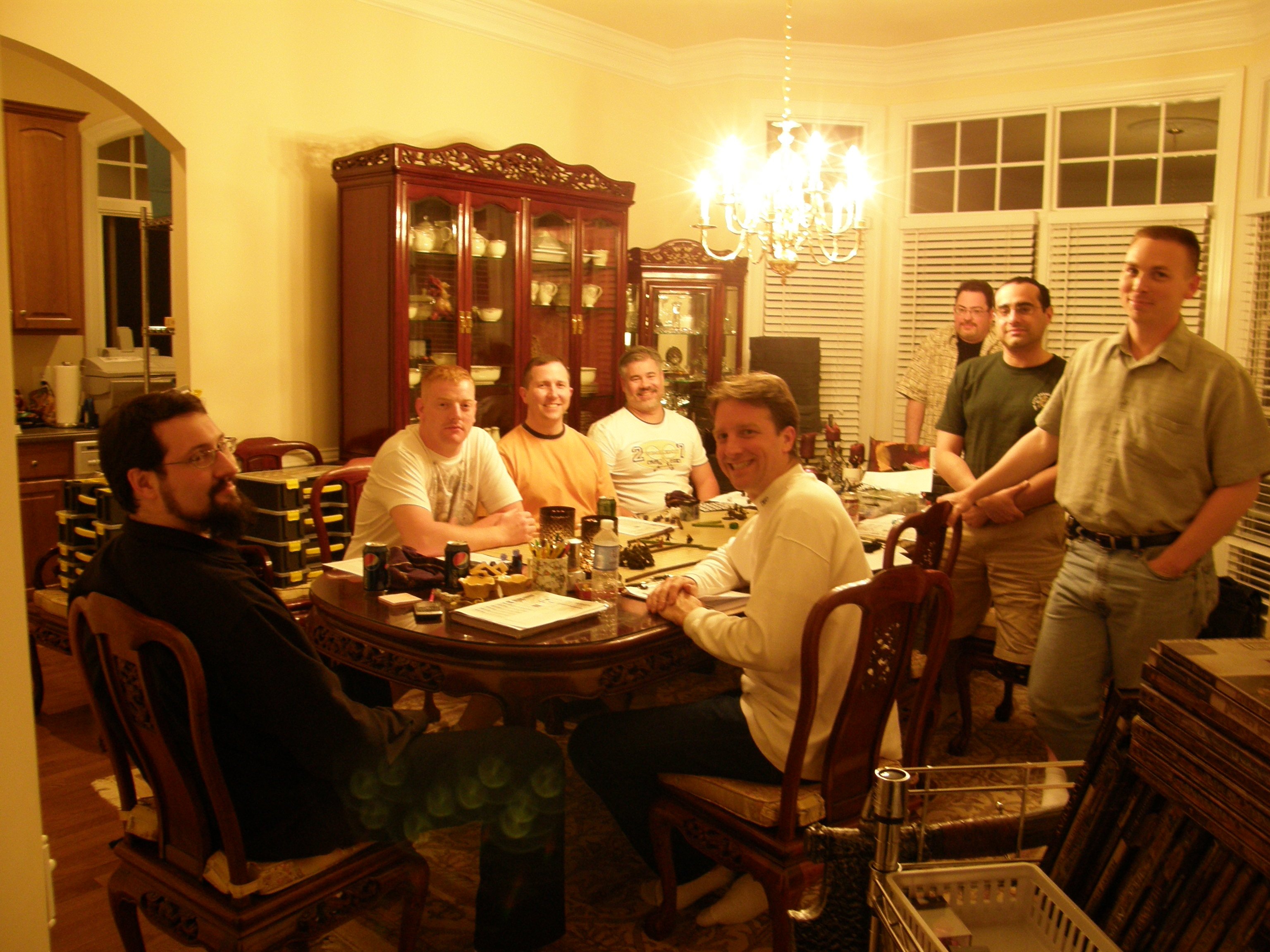
These genres don’t really work in isolation; D&D depends on the chemistry at the table. Along with the humor and the trust, it is a shared problem-solving experience. Tactical shooters require callouts, clutch teamwork, and group adaptation. Even losses can be enjoyable if the team atmosphere is great. Friends not only laugh at failed strategies but also celebrate surprising wins and eventually improve together. This communal vibe is another reason why tabletop players often feel very comfortable once they have the right group.
Conclusion
So, if you are into D&D because it gives you the opportunity to strategize, work as a team, have class identity, go on adventures, and come up with smart solutions, then perhaps tactical shooters are already your type of game. These games are more than just tests of fast reactions. When they are at their finest, they are strategic puzzles that you play with your teammates in real time as well as with the opponents who keep on surprising you. Therefore, if you have been staying away from the genre because you thought it was only for people with great aim, then think about it again. It might turn out that you are not after twitch gameplay whatsoever. Perhaps, you are indeed a strategist in search of a new battlefield.


No Comments