




The Open-World Video Games D&D Players Will Instantly Fall In Love With
There is a very specific kind of video game that hits D&D players harder than almost anything else. It is not just about map size. It is that feeling that the world was already alive before your character showed up and will still have stories to tell after they leave.

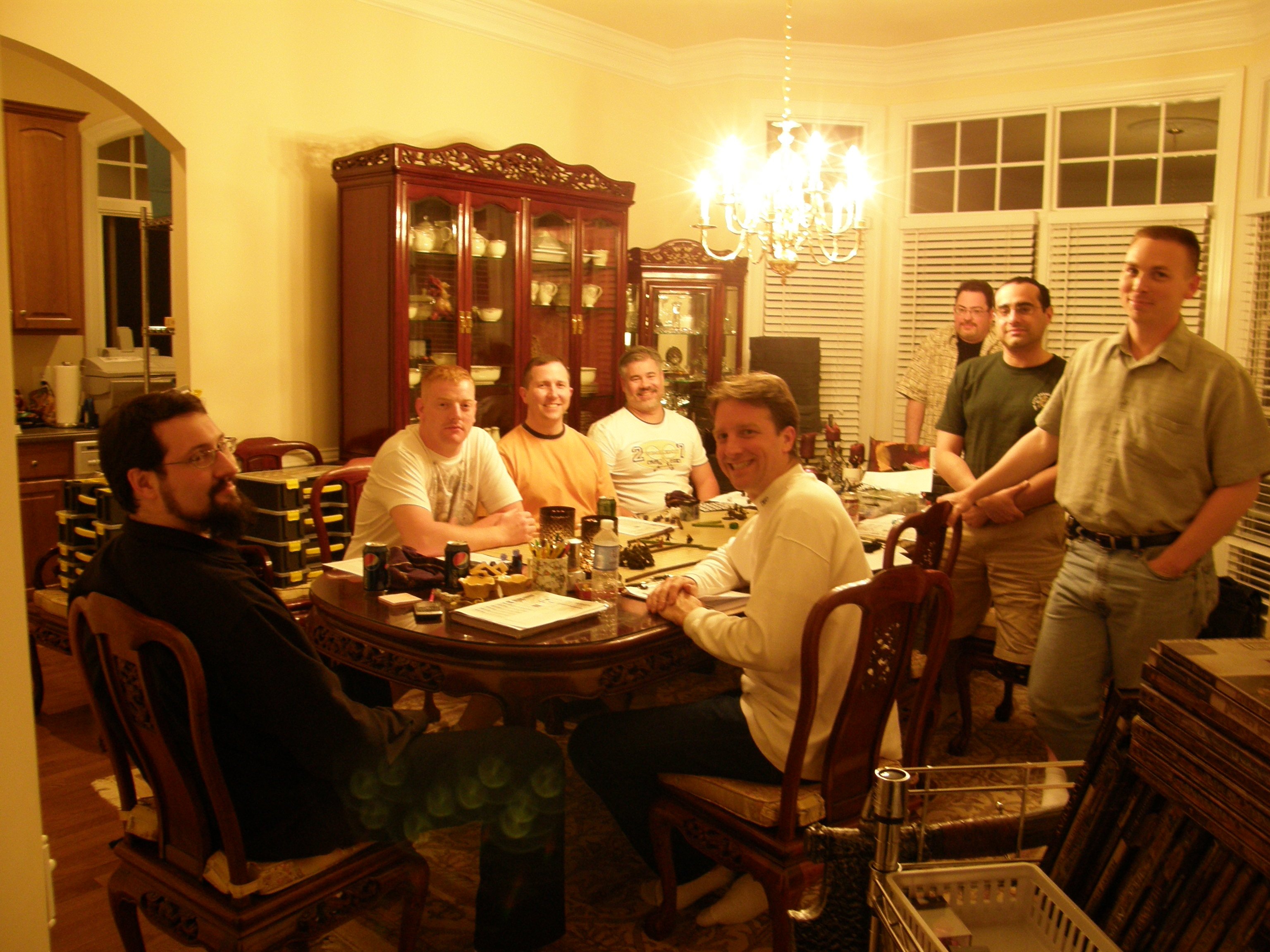
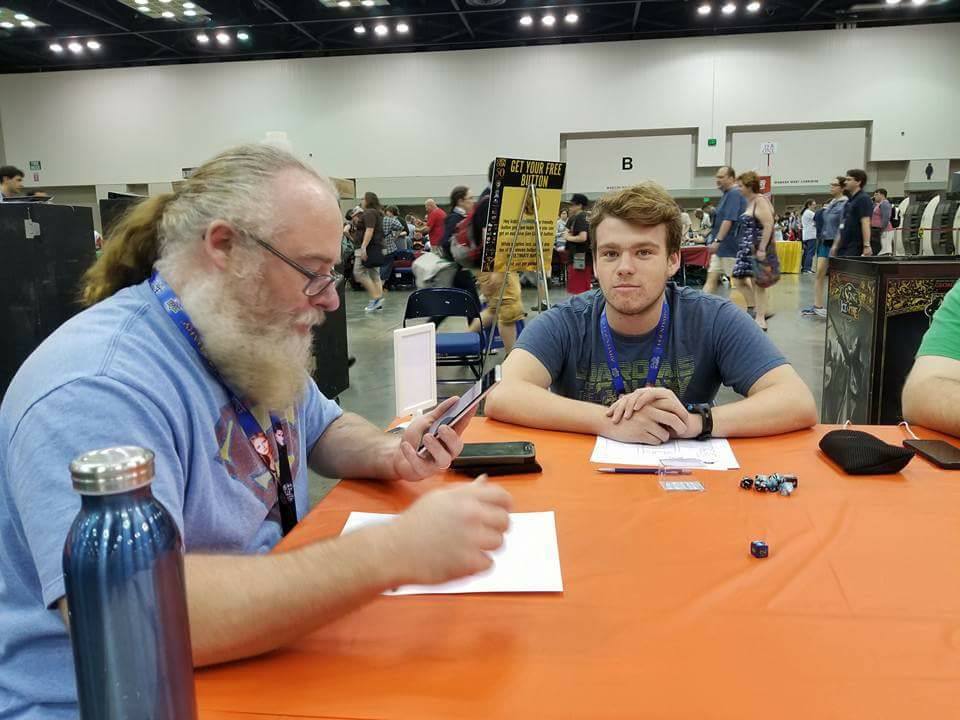
Who’s turn is it DM D&D tonight.
It is stumbling into some half-buried ruin, hearing two lines of local gossip, and immediately wanting the full campaign history.
That is the sweet spot.
The best open-world games for D&D fans do the same things great campaigns do. They make factions feel messy. They let side quests turn into the real story. They reward curiosity. They give you room to make bad calls, weird calls, noble calls, and absolutely unhinged calls. And when the group cannot meet, these are the games that still scratch that campaign itch.
The Witcher 3: Wild Hunt
If your favorite D&D sessions are the ones where a simple contract turns into a village secret, a family feud, and a moral choice nobody at the table agrees on, The Witcher 3 is still one of the best to do it. CD Projekt Red’s official pitch still sells it as a dark-fantasy open world built around Geralt of Rivia, player choice, and a character-driven story, and that is exactly why it lands so well with tabletop players.
From a D&D player’s point of view, this game respects investigation in a way a lot of big RPGs do not. You gather clues. You prep for hunts. You talk to people who are hiding something. And almost every time you think you are heading into a straightforward monster job, the game pulls the rug out and reveals a bigger human mess underneath. That feels like a real campaign.
If I were stealing from it as a DM, I would grab monster hunts built like mysteries and side quests that actually leave scars on the setting. This is the game that reminds you that a village can be more memorable than a capital city if the people there feel real enough.
Elden Ring
Elden Ring hits a different part of the D&D brain. This is for the players who love broken statues, dead kingdoms, half-finished prophecies, and the kind of lore you have to piece together from architecture, item text, and pure, unhealthy obsession. Bandai Namco’s official description leans into vast landscapes, complex dungeons, and a story told in fragments, which is a big reason the game feels so much like a campaign world with centuries of buried history.
What makes it such a strong D&D-adjacent experience is the trust it puts in the player. It does not explain everything up front. It lets mystery do real work. You wander, you infer, you connect dots, and suddenly you feel less like you are clearing map markers and more like you are uncovering the bones of ten ruined campaigns layered on top of each other.
For DMs, there is a lot to rob here. Put history in the environment. Let a boss arena tell a story before initiative is ever rolled. Make the world feel older than the party’s immediate problem. Players notice that stuff, even when they cannot quite explain why it grabs them.
Dragon’s Dogma 2
Dragon’s Dogma 2 feels like somebody looked at fantasy travel and decided it should actually matter again. Capcom describes it as a single-player, narrative-driven action RPG that lets players choose their own experience, and that freedom shows up most clearly once you are out on the road and things start going sideways.
That is where the D&D energy kicks in. Travel is not filler here. Travel is where you get jumped, lost, overconfident, underprepared, and suddenly very aware that a griffin does not care about your plan for the day. It feels a lot like a good tabletop session where the road between the city and the ruin becomes the part everyone remembers.
And then there is the party feel. Even as a single-player game, the Pawn system gives the whole thing that adventuring-company rhythm D&D fans know by heart. For DMs, the lesson is simple: the path between destinations should create stories too. A world gets a lot more memorable when danger and discovery live between the quest markers.
Skyrim
Yes, this is the obvious pick. It is also the one that still earns its seat at the table.
Skyrim remains one of the purest fantasy sandboxes ever made. Bethesda still frames the Anniversary Edition around quests, dungeons, bosses, weapons, spells, and a world packed with stuff to do, which sounds basic until you remember how few games actually deliver that sense of “go anywhere and something interesting will happen.”
The big D&D appeal is not even the main quest. It is the freedom to become the exact kind of wandering problem magnet every group has at least one of. You join guilds. You chase rumors. You head off to do one small errand and somehow come back four hours later with a cursed weapon, a new enemy, and three unrelated plot hooks. That is campaign energy.
For DMs, Skyrim is a good reminder that you do not always need a huge plot to get players invested. Sometimes you just need a tavern rumor, an old barrow, and enough trust in your group to follow the thing that grabs them.
Outward

Photo courtesy of Gamescience
Outward is for the D&D players who are into fantasies.
This game makes you feel cold, broke, tired, and just one bad decision away from learning a very painful lesson in the chaos of the wilderness. If you are a low-level adventurer, it makes you feel grounded. It works so well for tabletop people, especially the ones who like encumbrance, travel prep, weather, regional hazards, and the hard-earned pride that comes from barely surviving something ugly.
A DM could draw a lot from Outward, especially the idea that preparation isn’t boring when the world makes it matter. Food, route planning, proper gear, and knowing when not to pick a fight can all become part of the fun if the campaign gives them teeth.
Crimson Desert
This might be the easiest sell in the whole list because it already sounds like the pitch for a campaign somebody threw out at 1 a.m., and the entire table immediately approved. Pearl Abyss sets Crimson Desert on the continent of Pywel, where Kliff is trying to reunite the scattered Greymanes after a devastating ambush by the Black Bears, only to get dragged into larger faction struggles and a threat bigger than he expected. The official material leans hard into brutal combat, rival powers, and a dangerous world full of shifting alliances.
That is straight-up D&D bait.
The part DMs should be eyeing is the campaign frame. A fallen mercenary company trying to rebuild its name is already a great backbone for a long-running game. Add rival factions, old grudges, uncertain allies, and a protagonist who is not polished into a squeaky-clean hero, and now you have something with real texture. It feels less like “save the world because prophecy said so” and more like “survive long enough to decide what kind of people you actually are.” That is good stuff.
Also, nerd to nerd, if Pywel already sounds like your kind of trouble, grabbing a Crimson Desert key through Eneba is a clean way to jump in. Their page leans into the same appeal: a brutal open world, broad exploration, and plenty of room to carve out your own legend.
Why Do These Hit D&D Players So Hard?
The common thread in all these games is not just scale. Plenty of open-world games are huge and still feel dead. The ones D&D players latch onto understand a more important trick: the world has to feel like a story machine. It needs rumors, competing powers, old wounds, dangerous roads, strange corners, and enough freedom for curiosity to matter.
That is why these games work so well when the party cannot meet.
They still give you that little spark of possibility. Go over that hill. Open that door. Trust the shady stranger. Absolutely do not trust the shady stranger. Pick the dialogue option your wiser self knows is bad. Good campaigns run on that kind of energy, and so do the best open-world games.
What about you all? Which open-world game gives you the strongest “this could have been a whole campaign” feeling? Because every table has at least one answer that turns into a 20-minute lore rant, and honestly, that is part of the fun.


No Comments