




Designing Irregular Dragons: Why you should make D&D Dragons Strange
Dragons are iconic.
Majestic. Terrifying. Ancient engines of destruction with flawless scales, perfect symmetry, and encyclopedic lore.
And sometimes… that’s exactly the problem.
When every dragon in a campaign is a color-coded breath weapon with a predictable personality and a familiar lair checklist, players stop wondering and start calculating.
That’s where inspiration like the utterly absurd dragon from St. George and the Dragonet comes in — a creature described with orange polka dots, purple feet, and a single massive eye, all delivered with absolute seriousness.
That sketch highlights an important truth for tabletop RPGs:
Dragons don’t need to be standard to be memorable.
Irregular dragons—strange, asymmetrical, or unsettling—can elevate your game whether you lean into comedy, mystery, or horror.
Why Irregular Dragons Work in D&D
Players come to the table with expectations.
They know what a red dragon does.
They assume what a green dragon wants.
An irregular dragon shatters those assumptions instantly.
-
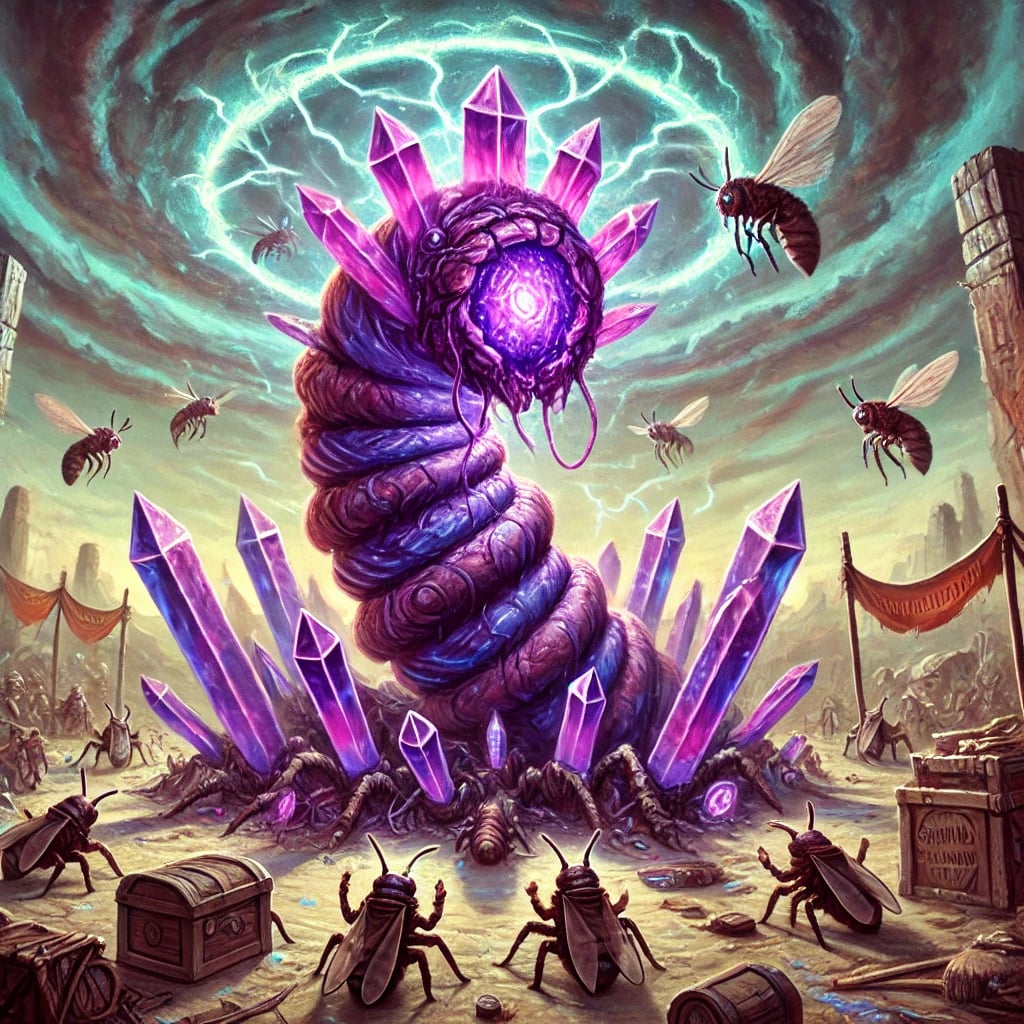
A dragon with one massive eye suggests strange senses, blind spots, or psychic awareness
-
A dragon with tiny wings and massive feet implies ambush tactics, tunneling, or city-level destruction rather than aerial dominance
-
A dragon with bright, unnatural colors raises immediate questions: curse, mutation, divine joke?
The moment a dragon doesn’t match the Monster Manual illustration, players stop meta-gaming and start paying attention.
Design Philosophy: Weird First, Stats Second

When designing a non-standard dragon, start with oddity, not mechanics.
Ask yourself:
-
What is visually wrong with this dragon?
-
What would a bard describe incorrectly the first time?
-
What makes villagers argue about what they saw?
Examples of irregular dragon concepts:
-
A dragon with mismatched limbs—one massive claw, one stunted arm
-
A dragon with translucent scales revealing glowing organs beneath
-
A dragon whose fire breath sputters, crackles, or ignites unpredictably
-
A dragon with too many eyes… or only one
Once the weirdness is established, mechanics should support it, not define it.
Mechanical Tweaks Without Breaking 5e
You don’t need a brand-new stat block to make an irregular dragon feel unique. Small changes go a long way.
-
Alter senses: A one-eyed dragon might have advantage on Perception checks relying on smell or tremorsense, but disadvantage on attacks from certain angles
-
Change movement: Awkward wings could mean devastating ground charges, sudden lunges, or collapsing terrain instead of flight
-
Unstable breath weapons: Recharge based on unusual triggers—taking damage, emotional spikes, or low initiative rolls
-
Legendary Actions with personality: Roars that confuse, stomps that crack the battlefield, or dramatic pauses before devastating attacks
The goal is not complexity.
The goal is surprise.
Choosing the Tone: Comedy, Horror, or Both
One of the greatest strengths of irregular dragons is tonal flexibility.
Played for Comedy
A ridiculous dragon can still be lethal.
-
The dragon looks absurd… until it incinerates a village
-
NPCs argue about its appearance while the party fights for their lives
-
Humor lowers the players’ guard before tension snaps it back
Played for Horror
Weird does not mean funny.
-
A dragon that doesn’t match known lore feels wrong
-
Strange proportions trigger uncanny discomfort
-
Familiar tactics fail, creating fear through uncertainty
The St. George dragon works because it is described absurdly but treated seriously. That balance is gold at the table.
Lore Hooks for Irregular Dragons

Let the dragon’s strangeness drive the story.
-
Mutant Dragon: Warped by planar energy, magical fallout, or divine experimentation
-
Failed Prophecy: This dragon was “meant” to be something else
-
Artificial Creation: Grown, stitched, or reshaped by wizards or cults
-
Cursed Noble: Once majestic, now twisted by punishment or hubris
Players don’t just fight the dragon.
They investigate it.
Let NPCs Be Unreliable
Conflicting descriptions build anticipation and dread.
Have NPCs insist:
-
“It’s got spots. Big ones.”
-
“No, it was purple.”
-
“I swear it only had one eye.”
-
“Dragons don’t have feet like that.”
By the time the party encounters the dragon, they already know something is wrong—just not how.
Final Thought: Dragons Should Be Remembered
Your players will forget the hit point total.
They’ll forget the exact breath weapon damage.
They will never forget:
-
The dragon with orange spots and purple feet
-
The one with the single staring eye
-
The dragon that looked stupid until it nearly killed us
Standard dragons are reliable.
Irregular dragons are legendary.
So give your next dragon a strange silhouette, questionable anatomy, or deeply inconvenient flaw. Treat it with absolute seriousness—
—and watch your table light up.
Thanks for reading. Until next time, stay nerdy!!


No Comments